Changing Ways People Consume News
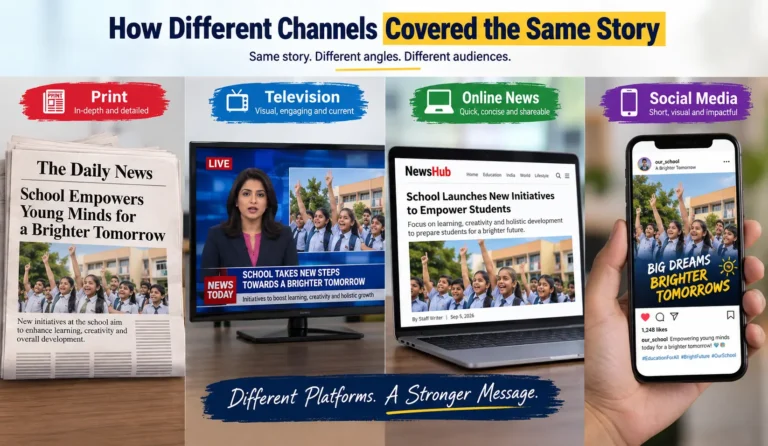
One of the biggest reasons behind changes in the news industry is the way people consume information. Many readers no longer rely exclusively on printed newspapers or scheduled television bulletins.
Instead, they use smartphones, news apps, search engines, social media, and websites to get updates throughout the day. This shift has made news faster and more accessible, but it has also changed how news organizations attract and retain audiences.
A publication that once depended heavily on newspaper subscriptions may now need a strong digital presence to remain competitive.
Advertising Revenue Has Changed
Advertising has traditionally been an important source of income for news organizations. However, a significant portion of digital advertising has moved toward large online platforms that can offer advertisers detailed audience targeting and performance data.
For smaller publishers, competing for digital advertising revenue can be difficult. They may have a loyal audience but still struggle to generate enough income to cover editorial staff, technology, offices, reporting expenses, and other operational costs.
Also read – The Role of News Media in Shaping Public Awareness
When revenue remains below operating costs for a long period, an organization may be forced to reduce its staff, close a publication, or combine its operations with another media company.
The Cost of Producing Quality Journalism
Reliable journalism requires resources. Reporters need to research stories, travel to locations, speak with sources, verify information, and produce content for different platforms.
Digital publishing may appear inexpensive because readers can access articles online, but maintaining a professional newsroom involves many ongoing costs. Technology, website development, video production, content management, cybersecurity, salaries, and distribution all require investment.
Local journalism can be particularly challenging because reporters may need to cover a wide geographic area while serving a comparatively smaller audience.
Consolidation Can Be a Business Strategy
Not every merger or consolidation means that a news organization is failing. Sometimes companies combine operations to become more efficient.
Two publications may share technology, administrative resources, advertising teams, or distribution networks. Consolidation can reduce duplicated expenses and allow organizations to invest more resources into content and digital products.
For audiences, however, consolidation can have both advantages and disadvantages. A larger organization may have better technology and wider coverage, but fewer independent newsrooms can sometimes mean less diversity in local reporting.
Local News Faces Its Own Challenges
Local journalism plays an important role in covering stories that may not receive attention from national media. Issues such as municipal services, education, traffic, local businesses, community events, public safety, and neighborhood developments directly affect residents.
However, local news outlets often operate with smaller teams and limited budgets. Maintaining regular reporting while generating sustainable revenue can be difficult.
This makes the role of digital-first local platforms increasingly important. Platforms such as Goonjkesari can help keep local stories accessible to audiences who increasingly depend on online sources for their daily updates.
Competition for Audience Attention
Another challenge is the enormous amount of content available online. News organizations are competing not only with other publishers but also with entertainment platforms, social media creators, video platforms, podcasts, and countless independent websites.
People have limited time and attention. A news outlet therefore needs to provide useful, trustworthy, and engaging content to encourage readers to return.
For local audiences, a platform that consistently covers relevant community stories can build stronger relationships with its readers.
The Importance of Digital Transformation
News organizations that successfully adapt to changing audience habits are more likely to remain competitive. This may involve developing mobile-friendly websites, producing short videos, using social media effectively, improving search visibility, and offering newsletters or other digital products.
Digital transformation does not simply mean publishing newspaper articles online. It requires understanding how modern audiences discover, consume, and share information.
A local publication can benefit by combining traditional reporting principles with modern digital distribution.
What Happens When News Outlets Close?
When a news outlet shuts down, the impact can extend beyond the organization itself. Communities may lose reporters who understand local issues, sources may lose established contacts, and fewer journalists may be available to investigate matters affecting the public.
This is why the sustainability of local journalism matters. Healthy competition among news organizations can provide audiences with different perspectives and encourage better reporting.
At the same time, readers also play a role in the future of journalism. Supporting credible publications, engaging with useful local reporting, and sharing trustworthy stories can help quality news reach a wider audience.
Looking Ahead
The future of news is likely to involve continued change. Some organizations may merge, some may move completely online, and others may develop new business models based on subscriptions, memberships, advertising, partnerships, or specialized content.
What is unlikely to change is the need for reliable information. Technology can change how people receive news, but communities will continue to need journalists who can investigate events, verify facts, and explain what is happening around them.
For local audiences, platforms such as Goonjkesari can contribute to this changing media environment by focusing on relevant stories and making local information accessible through digital channels.
Ultimately, the shutdown or consolidation of news outlets reflects a larger transformation in the media industry. The organizations that understand their audiences, adapt to digital habits, manage costs responsibly, and maintain trust are better positioned to serve readers in the years ahead.
About the Author