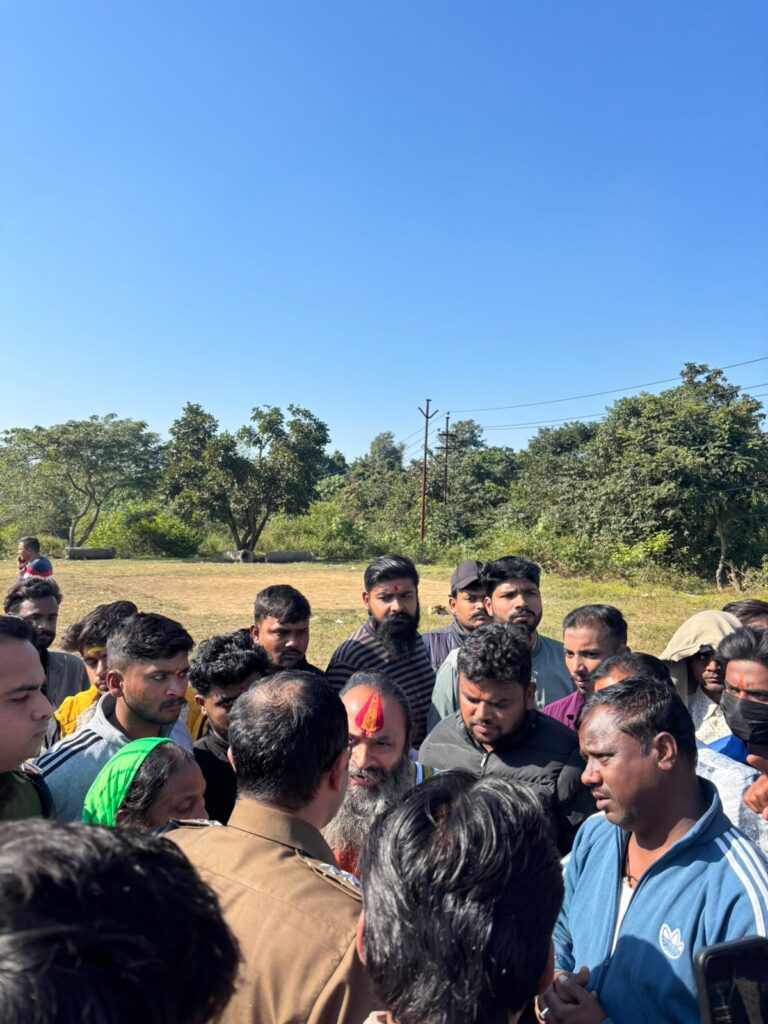
Introduction
Journalism plays an essential role in keeping people informed about the events, developments, and issues that affect their daily lives. From political decisions and economic changes to education, sports, entertainment, and local events, journalism helps people understand what is happening around them. It connects communities with important information and provides a platform for different voices and opinions.
In today’s digital world, journalism is no longer limited to newspapers and television. Online news portals, social media platforms, digital publications, and independent news websites have transformed how information reaches audiences. People can now access breaking news and important updates within seconds.
Whether someone follows national headlines or searches for a reliable news channel in Dehradun, journalism remains an important part of an informed and responsible society.
What Is Journalism?
Journalism is the process of collecting, investigating, verifying, writing, editing, and presenting information about current events and important issues to the public. Its primary purpose is to provide accurate, unbiased, and timely information so that people can make informed decisions.
Journalists work across different media platforms, including newspapers, television, radio, magazines, and digital news websites. They research stories, interview people, examine facts, and report developments that are relevant to society.
Journalism is not simply about sharing news. It also involves questioning information, highlighting public concerns, exposing wrongdoing, and holding individuals and institutions accountable.
In simple words, journalism is the practice of informing people through verified facts, responsible reporting, and meaningful storytelling.
What Are the Different Types of Journalism?
Journalism covers several areas, each focusing on a particular type of information and audience. The major types include:
1. Print Journalism
Print journalism refers to news and information published in newspapers, magazines, journals, and other printed publications. It covers politics, business, education, entertainment, sports, and social issues.
Although digital media has grown significantly, print journalism continues to provide detailed reporting, editorials, and investigative stories.
2. Broadcast Journalism
Broadcast journalism delivers news through television and radio. It includes live reporting, news bulletins, interviews, panel discussions, debates, and special reports.
Television journalism allows audiences to watch events as they happen, while radio provides accessible news updates for people who prefer audio-based information.
3. Digital Journalism
Digital journalism involves publishing news through websites, mobile applications, online news portals, and other internet-based platforms.
It allows readers to access information anytime and from almost anywhere. Digital journalism also supports multimedia content, including videos, photographs, infographics, and interactive stories.
People searching for a reliable news channel in Dehradun often use digital platforms to stay updated about local developments, Uttarakhand news, and national events.
4. Investigative Journalism
Investigative journalism involves detailed research into important issues, including corruption, financial irregularities, public concerns, and misuse of authority.
Journalists collect evidence, analyse documents, interview sources, and verify information before publishing their findings. This type of journalism plays an important role in promoting transparency and accountability.
5. Political Journalism
Political journalism focuses on government policies, elections, political parties, public representatives, and decisions affecting citizens.
It helps people understand political developments and evaluate how government decisions influence society.
6. Sports Journalism
Sports journalism covers sporting events, tournaments, athletes, match results, team performances, and sports-related developments.
It keeps sports enthusiasts informed through match reports, interviews, analysis, and live updates.
7. Citizen Journalism
Citizen journalism refers to the practice of ordinary people reporting and sharing information about events happening around them.
With smartphones and internet access, citizens can capture local developments and bring public attention to important issues. However, information shared through citizen journalism should always be verified before being treated as factual news.
Why Is Journalism Important in Society?
Journalism is important because it supports democracy, promotes awareness, and helps people understand the world around them. Its importance can be understood through several key functions.
1. Keeps People Informed
One of the main responsibilities of journalism is to provide timely information. It helps people stay updated about government announcements, education, employment, business, weather, public safety, and other important developments.
2. Strengthens Democracy
A strong democracy requires informed citizens. Journalism provides information about elections, government policies, public representatives, and political decisions.
It allows people to understand different perspectives and make informed choices.
3. Promotes Transparency and Accountability
Responsible journalism investigates issues that may otherwise remain hidden. It questions authorities, highlights irregularities, and brings public concerns into the spotlight.
This encourages transparency and accountability among institutions and public representatives.
4. Creates Public Awareness
Journalism helps people understand important social issues such as education, healthcare, environmental protection, unemployment, road safety, and women’s empowerment.
By highlighting these issues, journalists encourage discussions and contribute to positive social change.
5. Gives a Voice to Local Communities
Local journalism is particularly important because it covers issues directly affecting people in a specific city, town, or region.
For example, local reporting in Dehradun and other parts of Uttarakhand can highlight infrastructure development, traffic problems, educational activities, civic concerns, tourism, and community initiatives.
A dependable local news platform helps residents stay connected with developments in their surroundings.
What Is the Role of Journalism in the Digital Age?
Technology has significantly changed the way journalism works. Earlier, people mainly depended on newspapers, television, and radio for news. Today, digital platforms provide instant access to information.
Some major developments in modern journalism include:
- Instant News Updates: Digital platforms allow readers to access breaking news and important announcements quickly.
- Mobile Journalism: Journalists can report events using smartphones, cameras, and digital tools.
- Social Media Reporting: Social platforms help news organisations reach wider audiences and share updates.
- Multimedia Storytelling: Videos, photographs, graphics, and interviews make news more engaging.
- Audience Participation: Readers can share feedback, report local concerns, and participate in public discussions.
However, digital journalism also faces challenges such as misinformation, fake news, manipulated images, and unverified social media posts.
Therefore, media organisations must follow ethical reporting practices, verify sources, and prioritise accuracy over speed.
What Are the Qualities of Responsible Journalism?
Responsible journalism depends on professional ethics and a commitment to truth. Some essential qualities include:
- Accuracy: Every important fact should be checked before publication.
- Objectivity: Reporting should avoid unnecessary bias and present information fairly.
- Transparency: Sources and corrections should be handled responsibly.
- Fairness: Different relevant perspectives should be considered.
- Accountability: Journalists and media organisations should take responsibility for their reporting.
- Public Interest: News should focus on information that genuinely matters to society.
Following these principles helps build public trust and strengthens the credibility of journalism.
How to Choose a Reliable News Channel in Dehradun?
Choosing a trustworthy news source is important for receiving accurate local information. Readers should consider the following factors:
- Credibility: Check whether the news platform has a consistent record of responsible reporting.
- Fact Verification: Prefer platforms that verify information before publishing.
- Local Coverage: Look for regular updates about Dehradun, Uttarakhand, and nearby communities.
- Balanced Reporting: Choose news sources that present facts without unnecessary sensationalism.
- Timely Updates: A reliable news platform should provide relevant updates without compromising accuracy.
- Transparency: Check whether the organisation provides clear contact information and correction policies.
These factors can help readers identify credible media platforms and avoid misleading information.
Frequently Asked Questions (FAQs)
1. What is journalism in simple words?
Journalism is the process of collecting, verifying, and sharing information about current events and important issues through newspapers, television, radio, and digital media.
2. What are the five main types of journalism?
Five major types include print journalism, broadcast journalism, digital journalism, investigative journalism, and political journalism.
3. Why is journalism important in society?
Journalism keeps people informed, strengthens democracy, promotes transparency, highlights social issues, and holds authorities accountable.
4. What is the difference between journalism and mass communication?
Journalism primarily focuses on researching, verifying, and reporting news, whereas mass communication is a broader field that includes advertising, public relations, broadcasting, entertainment, and journalism.
5. What is digital journalism?
Digital journalism is the publication and distribution of news through online platforms, websites, mobile applications, and digital media channels.
6. How can I find a reliable news channel in Dehradun?
You can identify a reliable news channel in Dehradun by checking its reporting credibility, fact-checking practices, local news coverage, transparency, and consistency in publishing updates.
7. What is the main responsibility of a journalist?
A journalist’s main responsibility is to provide accurate, verified, fair, and timely information while following professional ethics and serving the public interest.
Conclusion
Journalism is more than the process of reporting daily events. It is a powerful medium that informs citizens, strengthens democracy, promotes accountability, and connects communities. As technology continues to transform the media industry, the importance of accurate, ethical, and responsible reporting will remain unchanged.
For readers looking for local updates, Uttarakhand news, and important developments, choosing a credible news platform is essential. Goonjkesari aims to contribute to an informed community by bringing relevant news and information to readers while recognising the importance of responsible journalism.
About the Author