Introduction
Have you ever watched a breaking news report on television or a live news update on your smartphone and wondered how all that information reaches you so quickly? Behind every news bulletin, live broadcast, and digital news update, a large team of professionals works together to collect information, verify facts, prepare stories, and deliver news to the public.
A news channel involves much more than news anchors presenting headlines in front of a camera. It operates through a coordinated system of reporters, editors, camera operators, video editors, producers, technical experts, and digital media teams.
Whether it is national news, political developments, sports updates, or local reporting, every story goes through several stages before reaching the audience. Understanding how a news channel works behind the scenes helps viewers appreciate the effort, responsibility, and teamwork involved in journalism.
1. News Gathering: Where Does the News Come From?
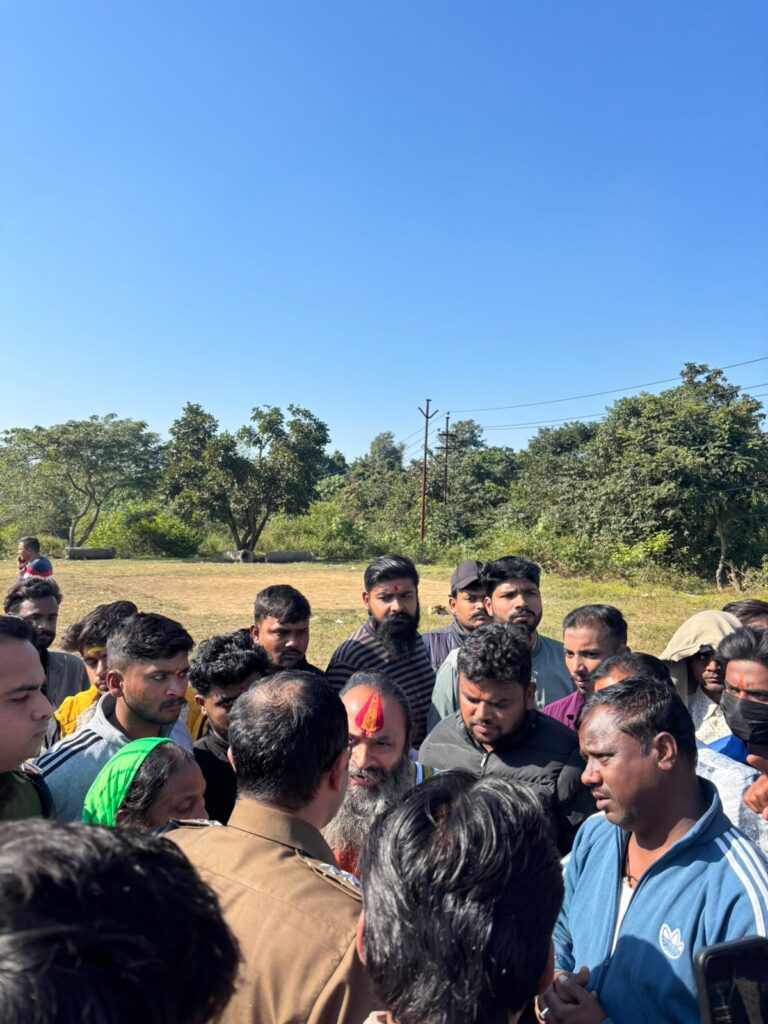
The first step in the functioning of a news channel is news gathering. Reporters and journalists collect information from different sources to identify important events and developments.
Some common sources of news include:
- Field reporters covering local and national events.
- Government departments and official announcements.
- Press conferences and media briefings.
- Police departments and administrative authorities.
- Interviews with experts and eyewitnesses.
- News agencies and official press releases.
- Social media platforms and public submissions.
For example, a news channel in Dehradun may receive information about traffic problems, educational developments, government announcements, weather conditions, or public events through its local reporting network.
Reporters investigate these developments and collect relevant details before preparing a news story.
2. Fact-Checking and Verification
Once information is collected, the next important step is fact-checking. This is one of the most essential responsibilities of a professional news organisation.
Journalists and editors verify information before publishing or broadcasting it. They may check official documents, contact relevant authorities, speak with eyewitnesses, and compare information from multiple reliable sources.
Fact-checking helps prevent:
- Fake news and misinformation.
- Incorrect names, dates, and statistics.
- Misleading photographs and videos.
- Unverified allegations.
- Confusing or incomplete information.
In today’s digital environment, information spreads quickly across social media. Therefore, responsible news organisations must prioritise accuracy rather than simply being the first to publish a story.
3. Newsroom Operations: The Centre of Every News Channel
The newsroom is the central workplace where different teams coordinate to manage daily news operations.
Editors, reporters, producers, and other professionals work together to decide which stories deserve attention and how they should be presented.
A newsroom generally handles several responsibilities:
- Monitoring current events and breaking news.
- Selecting important stories for coverage.
- Assigning reporters to different locations.
- Reviewing submitted reports.
- Preparing news bulletins.
- Coordinating live coverage.
- Managing editorial schedules.
The newsroom operates throughout the day in many news organisations, especially those providing continuous news coverage.
4. Role of News Anchors and Presenters
News anchors are among the most visible professionals in a news channel. They present news bulletins, introduce stories, conduct interviews, and communicate important developments to viewers.
However, their responsibilities extend beyond simply reading information from a screen.
News anchors generally:
- Review news scripts before going on air.
- Understand the background of important stories.
- Coordinate with producers and editorial teams.
- Present information clearly and professionally.
- Conduct interviews and discussions.
- Communicate breaking news updates.
A professional anchor must have strong communication skills, confidence, knowledge of current affairs, and the ability to remain composed during live broadcasts.
5. Scriptwriting and News Editing
Before a news story reaches viewers, it usually goes through a writing and editing process.
News writers prepare scripts based on verified information collected by reporters. Editors review the content to ensure that it is clear, accurate, relevant, and suitable for the intended audience.
The editing process includes:
- Writing headlines and introductions.
- Organising information logically.
- Removing unnecessary details.
- Checking grammar and factual accuracy.
- Preparing short and detailed news versions.
- Adding relevant quotes and background information.
The objective is to present complex information in a simple and understandable manner.
6. Camera Operators and Video Production
Visual content plays a major role in modern journalism. Camera operators capture footage from different locations, studios, press conferences, public events, and important incidents.
Their work helps audiences understand what is happening rather than depending entirely on written information.
The video production team handles:
- Recording interviews and statements.
- Capturing live event footage.
- Shooting studio segments.
- Selecting suitable camera angles.
- Managing lighting and sound.
- Preparing video clips for broadcasts.
For field reporting, camera operators often work alongside journalists to capture important visuals and supporting evidence.
7. How Does a Live News Broadcast Work?
Live broadcasting requires careful planning, technical coordination, and teamwork.
Before a bulletin begins, the production team prepares the running order, news scripts, graphics, video clips, and studio arrangements.
During a live broadcast, different professionals perform specific responsibilities:
- Producer: Manages the overall bulletin and coordinates the team.
- Director: Controls the broadcast sequence and visual presentation.
- Anchor: Presents the news to viewers.
- Camera Operator: Handles studio camera operations.
- Graphics Team: Displays headlines, names, maps, and information.
- Technical Team: Maintains broadcasting equipment and connections.
The production team communicates continuously to ensure that the broadcast runs smoothly.
For breaking news, the team may need to change the planned schedule quickly to include important developments.
8. Digital Media and Online News Publishing
Modern news channels do not depend only on television broadcasts. Digital media has become an important part of news distribution.
News organisations publish updates through websites, mobile applications, YouTube, Facebook, Instagram, and other online platforms.
The digital media team generally handles:
- Publishing news articles on websites.
- Creating social media posts.
- Uploading video reports.
- Preparing headlines and descriptions.
- Managing audience comments and engagement.
- Monitoring website traffic and content performance.
People searching online for a news channel in Dehradun can access local news, regional developments, and important updates through digital news platforms.
Digital publishing also allows news organisations to reach audiences who may not regularly watch television.
9. Advertising and Revenue Management
Running a news channel requires financial resources, technical infrastructure, and professional staff. Advertising is one of the major revenue sources for many news organisations.
Some common revenue sources include:
- Television advertisements.
- Digital advertising.
- Sponsored content, clearly identified as such.
- Brand partnerships.
- Subscription services.
- Event partnerships.
Advertising and editorial decisions should remain separate to protect journalistic independence and public trust.
10. Importance of Teamwork in a News Channel
A successful news broadcast is the result of teamwork. Every department contributes to the final output, from collecting information to delivering the finished news report.
For instance, when an important local event takes place in Dehradun, a reporter may collect information from the location, a camera operator records visuals, an editor verifies the details, a producer prepares the bulletin, and the anchor presents the story.
Similarly, the digital team may publish the same development on the organisation’s website and social media platforms.
This coordination ensures that information reaches audiences through different channels.
11. Challenges Faced by Modern News Channels
News organisations face several challenges while delivering information to the public.
Some major challenges include:
- Competition: Multiple news platforms compete to attract audience attention.
- Breaking News Pressure: Teams must work quickly without compromising accuracy.
- Fake News: False information circulating online creates verification challenges.
- Technical Issues: Equipment failures and connectivity problems can affect live broadcasts.
- Changing Audience Preferences: Viewers increasingly prefer short videos and mobile-friendly news.
- Maintaining Credibility: Responsible reporting and transparency are essential for building trust.
Despite these challenges, professional journalism must continue to prioritise truth, accuracy, fairness, and public interest.
Frequently Asked Questions (FAQs)
1. How does a news channel work?
A news channel works by collecting information, verifying facts, preparing news scripts, editing videos, producing bulletins, and broadcasting or publishing stories through television and digital platforms.
2. Who works behind the scenes in a news channel?
A news channel employs reporters, editors, anchors, producers, camera operators, video editors, graphic designers, technical experts, and digital media professionals.
3. How do news channels get breaking news?
News channels receive breaking news through field reporters, official announcements, press conferences, news agencies, eyewitness accounts, and verified digital sources.
4. What is the role of a news producer?
A news producer manages the preparation and presentation of news bulletins. They coordinate stories, scripts, video clips, anchors, and technical teams.
5. How is news verified before broadcasting?
News is verified through official documents, reliable sources, eyewitness interviews, expert opinions, and cross-checking information before publication.
6. How do news channels broadcast live?
Live broadcasting involves cameras, microphones, studio equipment, production control rooms, broadcasting systems, and coordinated teams that manage the programme in real time.
7. What is the difference between television journalism and digital journalism?
Television journalism delivers news through television broadcasts, while digital journalism publishes information through websites, mobile applications, social media, and online video platforms.
8. How can I find a reliable news channel in Dehradun?
Look for a news platform that provides verified local reporting, accurate information, transparent editorial practices, and regular coverage of important developments in Dehradun and Uttarakhand.
Conclusion
A news channel works through the combined efforts of multiple professionals who ensure that important information reaches the public accurately and on time. From news gathering and fact-checking to editing, production, live broadcasting, and digital publishing, every stage requires coordination and professional responsibility.
Behind every news bulletin is a team dedicated to informing people and highlighting important developments. Understanding this process also helps audiences recognise why accuracy, transparency, and ethical journalism matter.
Goonkesari recognises the importance of responsible news reporting and the role of journalism in keeping communities informed, aware, and connected.
About the Author